
What are Incoterms ?
Incoterms are internationally recognized trade rules that define the responsibilities of buyers and sellers in global shipping. They clarify who handles transportation, insurance, customs formalities, and risk at each stage of the shipment. Understanding these terms helps ensure transparency, avoids disputes, and supports smooth, cost-efficient delivery for international trade transactions.
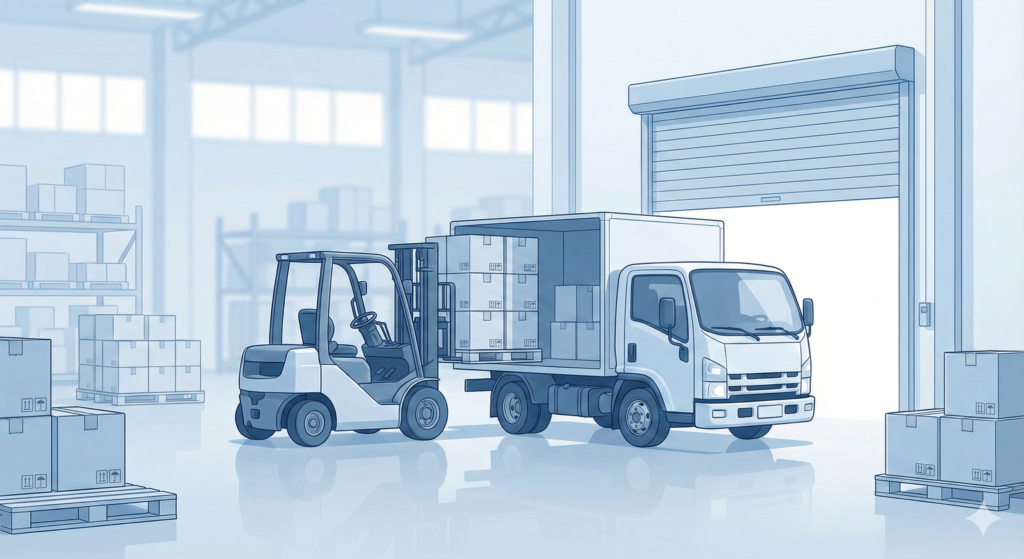
Under EXW, the buyer is responsible for almost the entire shipping process. We make the goods available at our warehouse or factory, and the buyer arranges pickup, transport, export clearance, and delivery. This term is often used when the buyer has their own logistics partner or prefers full control over movement and costs. While EXW keeps pricing simple, buyers should be aware that they take on risk and responsibility from the moment the goods are collected. It is best suited for experienced importers with established shipping and customs processes.
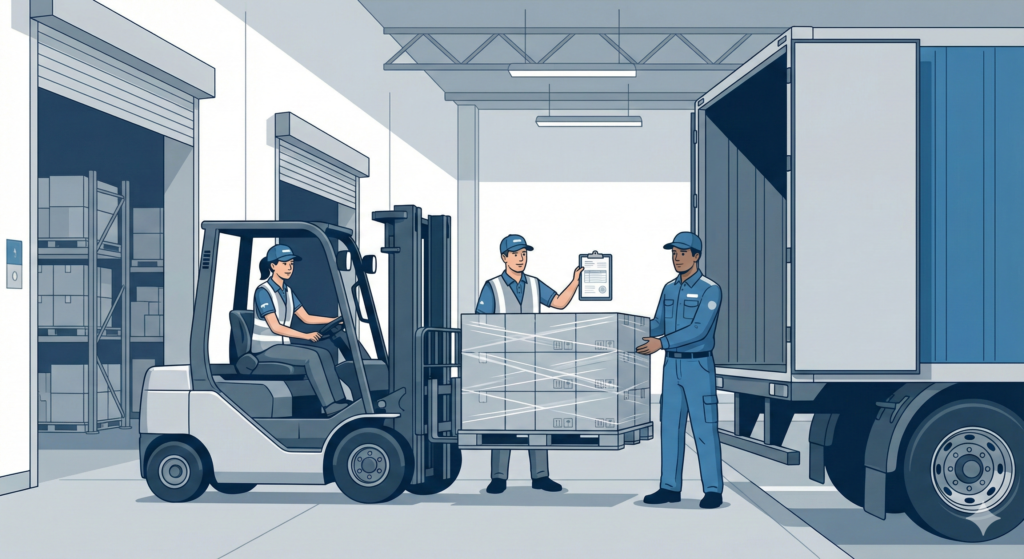
With FCA, we deliver the goods to the buyer’s nominated carrier at an agreed location, such as a warehouse, port terminal, or transport hub. We handle export packing, documentation, and customs clearance at origin, while the buyer manages the main transport and onward delivery. Risk transfers once the goods are handed over to the carrier. FCA is widely used because it offers a fair balance of responsibility and transparency in costs. It is ideal for customers who want us to manage the origin process while still maintaining control over international freight arrangements.
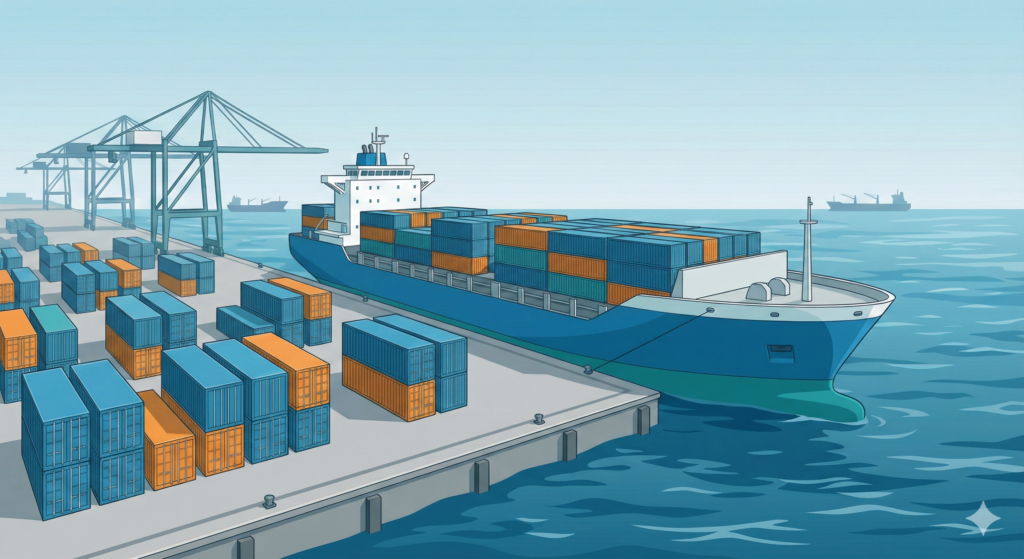
With FAS, we deliver the goods to the port of shipment and place them alongside the vessel nominated by the buyer. From that point forward, the buyer assumes responsibility, including loading onto the ship, ocean freight, insurance, and onward arrangements. FAS is primarily used for bulk or non-containerized cargo in maritime trade. It works best when the buyer has shipping contracts or prefers to manage the loading and sea transport themselves. We ensure timely port delivery, export documentation, and coordination with port authorities so your cargo is positioned correctly and safely before loading.
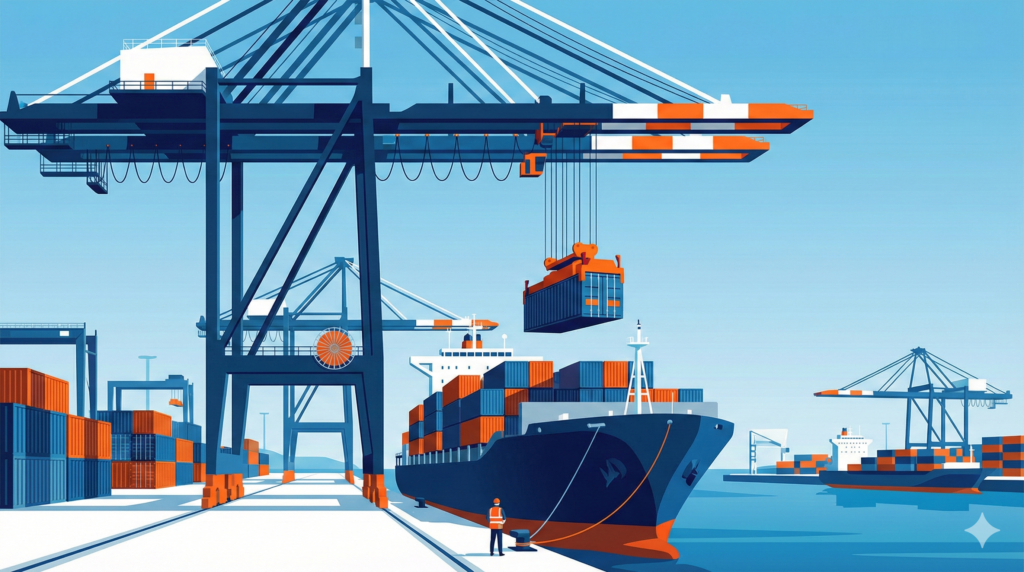
Under FOB, we are responsible for delivering the goods to the port, completing export clearance, and loading them safely onto the buyer’s nominated vessel. Risk transfers once the cargo is on board. The buyer then manages ocean freight, insurance, and delivery at destination. FOB is one of the most commonly used Incoterms for sea shipments, especially for bulk or high-volume cargo. It provides clarity on cost responsibilities and ensures secure loading onto the vessel. Clients choosing FOB benefit from our strong port handling experience and reliable coordination with shipping lines and terminal operators.
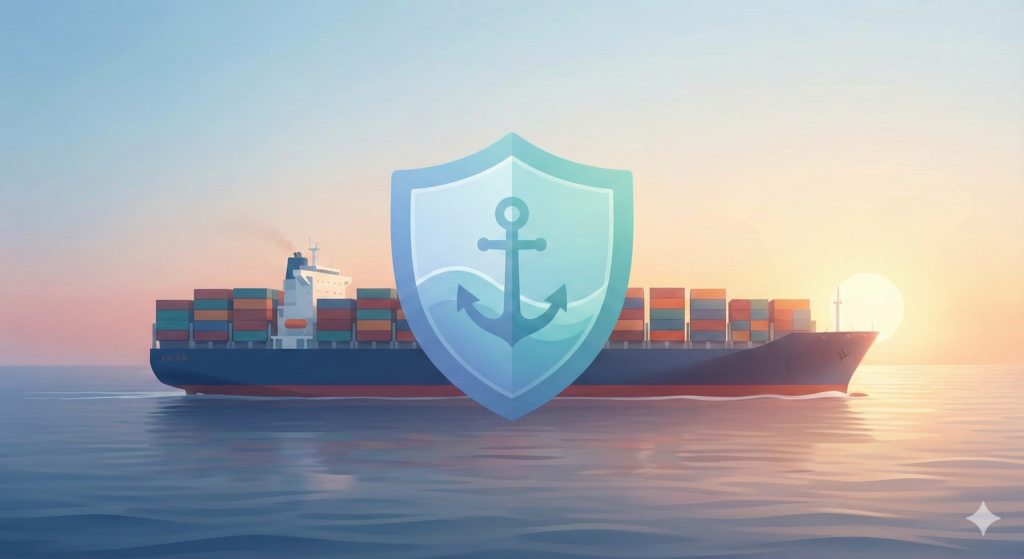
CIF builds on CFR by adding marine insurance arranged by us for the buyer’s benefit until the cargo reaches the destination port. Risk still transfers on loading, but the shipment remains financially protected during sea transit. CIF is ideal for buyers who want peace of mind without organizing separate insurance themselves. It is commonly used for commodity, food, and bulk shipments where security and predictability matter. We coordinate export documentation, vessel booking, and insurance certification to ensure smooth, well-protected delivery up to the arrival port, giving clients confidence throughout the shipping journey.
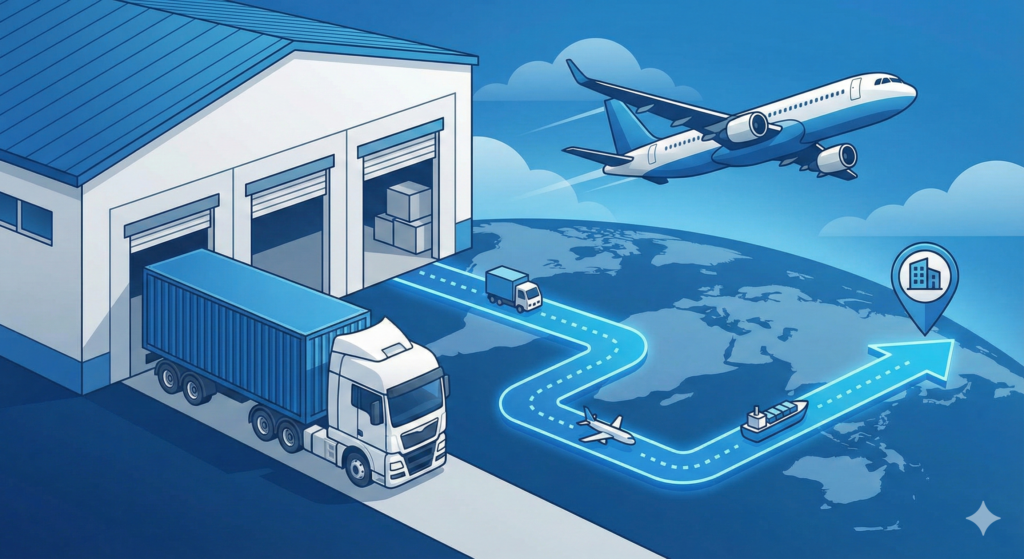
Under CPT, we arrange and pay for transportation to the agreed destination, but the risk passes to the buyer once the goods are handed to the first carrier. This means the buyer is covered for transport routing but still manages insurance if required. CPT suits buyers who want predictable freight costs without a fully door-to-door service. It works well for multimodal shipments and international deliveries where the buyer has local handling partners. We ensure smooth dispatch, export formalities, and reliable carrier coordination so your cargo reaches the destination efficiently and on schedule.
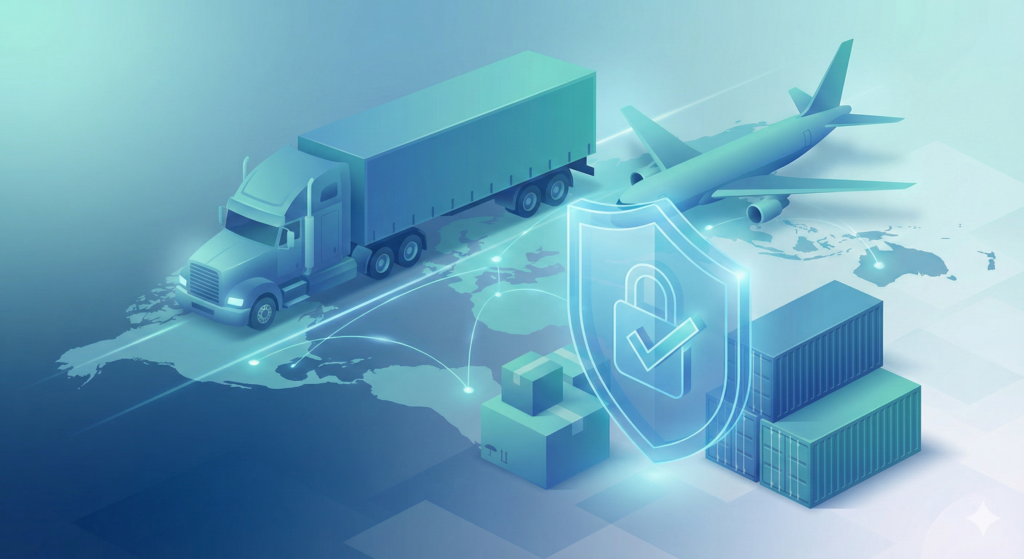
CIP is similar to CPT, but with one key advantage for the buyer — we also arrange comprehensive transport insurance up to the named destination. This provides additional security and peace of mind during transit. Risk still transfers at the point of handover to the first carrier, but financial protection continues through insurance coverage. CIP is recommended for higher-value or sensitive shipments where buyers prefer reduced exposure to loss or damage. We coordinate shipping, export documentation, and insurance certificates to ensure your cargo is fully protected from dispatch through to destination handling.
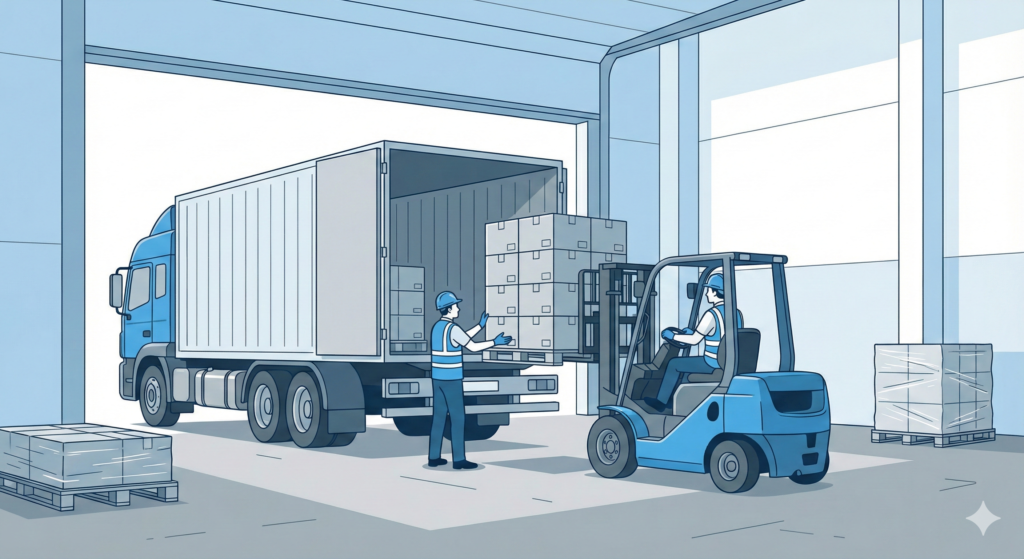
Under DPU, we deliver the goods to the agreed destination and unload them from the arriving transport. We handle shipping arrangements, export clearance, transit coordination, and safe unloading at the final point. The buyer then manages import duties, taxes, and customs procedures. DPU is especially useful for sites such as warehouses, factories, or distribution centers where certainty of delivery and unloading support is important. It minimizes handling tasks for the buyer and ensures the cargo is received in a ready-to-use condition. We focus on careful unloading to protect product quality and packaging integrity.

DDP provides the highest level of convenience for the buyer. We manage the entire shipping process, including transport, export and import customs clearance, duties, and taxes, and deliver the goods to the final destination ready for receipt. The buyer has minimal administrative involvement and receives a fully completed delivery. Because responsibility remains with us until final handover, DDP is ideal for customers who prefer a fully managed logistics experience. It simplifies international purchasing, reduces compliance burden, and ensures smooth cross-border delivery. This option is best suited when predictable landed cost and ease of operation are priorities.

With CFR, we arrange and pay for sea freight to the destination port, but risk passes to the buyer once the goods are loaded on board at origin. The buyer handles insurance, import clearance, and onward delivery. CFR is widely used for ocean shipments where the buyer prefers predictable freight costs while maintaining control at the receiving port. It is suitable for large-volume or bulk cargo where port-to-port delivery is sufficient. We manage export clearance, port handling, and vessel booking to ensure cargo moves efficiently and arrives at the destination port as scheduled.
With DAP, we take care of almost the entire logistics journey, delivering the goods to the buyer’s specified address or destination point. We manage transportation, export clearance, and coordination en-route. The buyer is responsible only for import duties, taxes, and customs clearance at destination. Risk transfers once the cargo is ready for unloading. DAP is ideal for clients who want convenience and end-to-end delivery support without including import formalities in the seller’s scope. It reduces operational complexity and ensures shipments arrive safely and efficiently at the final delivery location.